
By Kanwar P. S. Plaha
Some debts are a matter of time.
PRESENT — BUREAU DESK, 2042
The holo-screen bleeds gray. The notice sits like an accusation.
Recipient: Amit Varma. Itemised: Unauthorised Time-jump. Paradox Creation. Causality Violation. Administrative Fees, Interest, and Charges.
The number at the bottom has too many digits, each one a small act of cruelty. Amar's fingers hover over the stamp that says PAST DUE, the one that closes lives the way lids close boxes, and his mind races to a back alley in Colaba, 1983.
He'd been young. The lane smelled like smoke and melted vinyl, the kind of gully where speakers rattled from a first-floor window and nobody asked whose electricity was paying for it. He’d ducked under a rooftop pipe’s sputtering bow, thin beads of water pricking his neck, and his heart kicking like something caged. With the record warm under his kurta, he slid through a flicker-gate of time between dumpsters and wind before the fire brigade’s siren had banned the band with all of its albums. Two hands pulled the record from him and a woman had laughed, sharp and delighted. With trembling hands, he'd tasted joy: small but sweet.
Later, rain making rivers on his sleeve, he had scribbled a false name on a ticket stub, Amit Varma, because it sounded adult, and very formal. The name had stuck in the paper like a seed in a crack, and grown.
Swishing back to the present, he stares at the stamp in his hand and is reminded of another small crime from a kitchen in a Bandra flat, 2012. A friend gazing at a blank forearm, laughing that half-muttered laugh of someone who'd dodged a lifelong joke. The tattoo gun hummed in another room like a distant insect and he'd thought: I can stop this.
So he'd stepped through a time-blink, lifted a hand, whispered one small argument that rerouted the afternoon and his friend had walked away, relieved. A simple, private stitch was fixed. He hadn't known, then, that every stitch shows up in the Bureau's ledger as a line item.
A ghostly Collector glides past the mirrored pane or through it, he could never tell, and taps his wrist display. The digits breathe urgency.
Amar's mouth is dry. He slides the invoice into the temporal chute and watches the page swallow itself. Delivery scheduled: October 14, 2025. He tells himself it's necessary, that the universe prefers closed loops. He signs Amit because Amit is the legal name on the registry that will make the mail hit the exact mailbox.
Somewhere in the machinery, a clerk named Maurice will find the envelope and pause, the small hinge between letter and life, and file it into the right slot. The chain will click.
He imagines his younger self opening the envelope and the ensuing shock. He knows the boy will try to outrun it, to slip the debt into another year, but time is a strict ledger-keeper, and its interest rates are theological.
A bell chimes: delivery complete.
Amar exhales something like grief. He thinks of the woman at the fire, the friend's blank arm, his own signature in different alphabets and scribbles. Amit had threaded a legal wire through a life of small crimes, and the Bureau pulled it taut.
He stamps a second invoice for another reckless traveler, and slides it into the chute. He keeps the motions neat so he does not have to listen to the weight of what he's done. Guilt is a currency the Bureau won't accept. Only service will balance their books.
PAST — FOUNDING HALL, 2030
An older man in a tired uniform holds a ledger that smells of old paper. Sohrab Engineer looks at Amar, carrying every small mercy he dispensed without a license, and says, "We need people who remember being careless."
Amar watches his reflection in a polished brass plaque: a younger man with bandaged fingers, a boy who once thought himself clever. He already knows the answer, but asks anyway. "Why Amit?"
Sohrab folds a sheet beneath a fresco of schedules. "Names are levers. The Bureau pulls the right one."
Amar understands the difference between mercy and mechanism. He offers Sohrab a bargain: the length of a life, if the Bureau counts life in ledger lines, chasing other people's mistakes.
Sohrab stamps the contract. His voice is the sound of a lid settling shut.
"You'll be useful."
Amar signs. The ink smells like dust and rain. He writes the name that was once a costume and is now a chain, and feels the loop tighten like a knot drawn by someone who knows their work.
He chose this. Or the invoice chose it for him. The distinction is one the Bureau does not bother to make.
PRESENT — BUREAU DESK, 2042
He stands and watches the scheduled sunset fold into another day, the sky a colour he used to call hope. Below, Mumbai exhales its ancient hum, the restless sound, though the local trains float now and Marine Drive wears a ribbon of engineered light. The Arabian Sea is unchanged though; it has never accepted the Bureau's jurisdiction.
He whispers a mantra he uses when he needs to be forgiven and hears his own voice return with the same hollow echo the Bureau makes when it answers a plea.
"Amit," he says. The name falls into the corridor like a coin into a well.
He has signed the invoice. He has signed the contract. The loop is closed. The work begins.
He goes back to his desk. The chair knows his weight and the holo-screen flickers to life. A new file appears in the queue, another reckless traveler, another life itemised into fees and consequences. He pulls it toward him the way gravity pulls, without decision, and for a moment the name on the page blurs.
The holo-screen bleeds gray. The invoice sits like an accusation.

About the Author
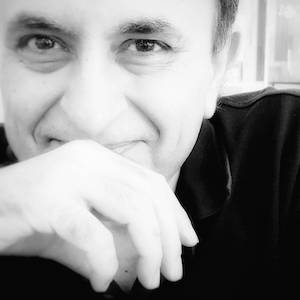 Kanwar loves doing the write thing. He began dreaming of being an author when his grade 7 essay won the top spot in a regional competition.
A closet writer until 2024, Kanwar writes micro fiction, flash fiction, and short stories.
Kanwar lives in Sydney, Australia with his wife, a daughter, and a cat called Bubbles.
His substack page at <https://kanwarpsplaha.substack.com> has more of his attempts at writing.

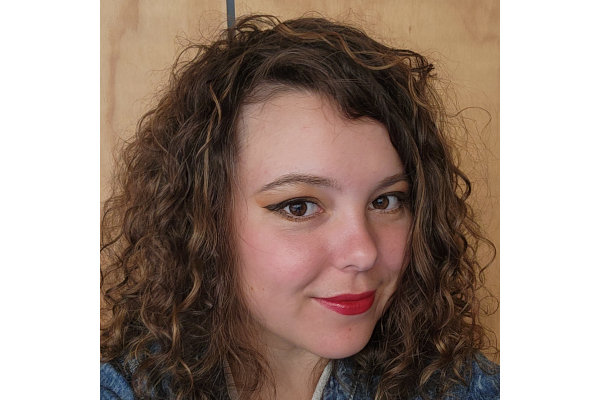
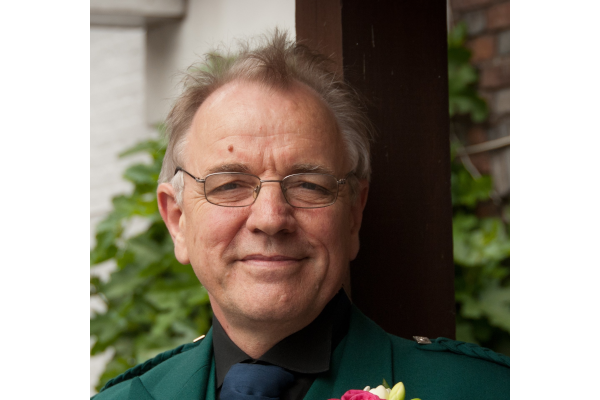
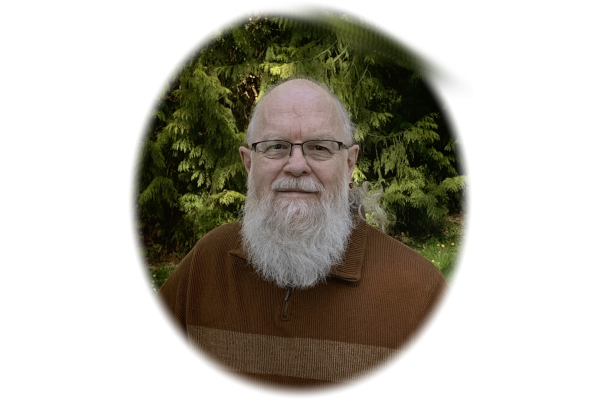
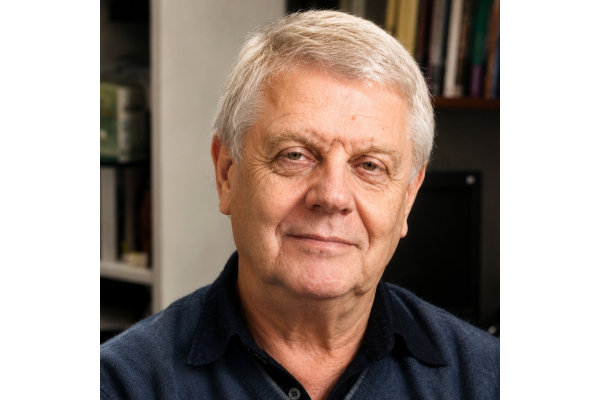
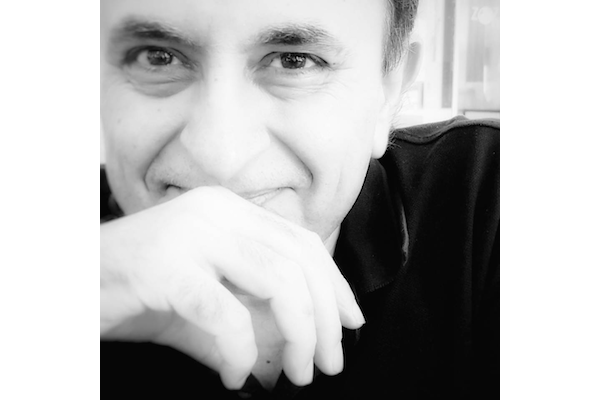
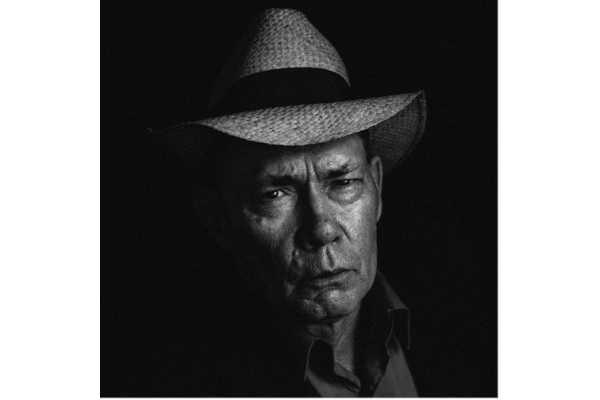
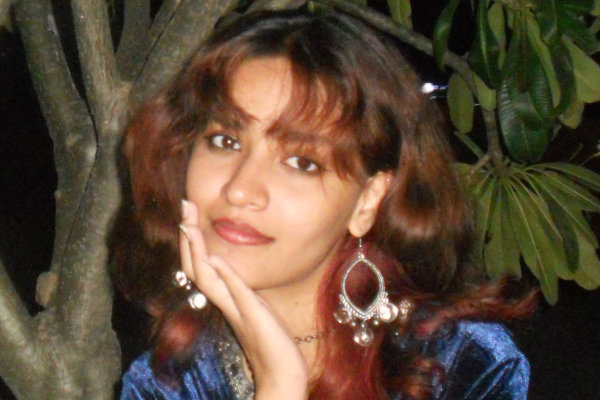
 Tara Campbell is an award-winning writer, teacher, Kimbilio Fellow, fiction co-editor at Barrelhouse, and graduate of American University's MFA in Creative Writing.
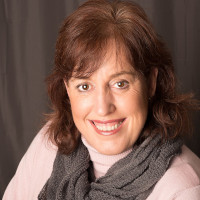 Geraldine Borella writes fiction for children, young adults and adults. Her work has been published by Deadset Press, IFWG Publishing, Wombat Books/Rhiza Edge, AHWA/Midnight Echo, Antipodean SF, Shacklebound Books, Black Ink Fiction, Paramour Ink Fiction, House of Loki and Raven & Drake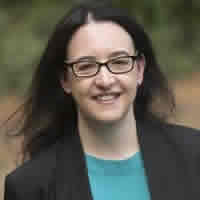
 Tom Wrosch is a retired policy analyst with the State of Oregon, and resides with his wife in Salem.
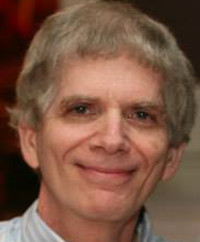 Barry Yedvobnick is a recently retired Biology Professor. He performed molecular biology and genetic research, and taught, at Emory University in Atlanta for 34 years. He is new to fiction writing, and enjoys taking real science a step or two beyond its known boundaries in his
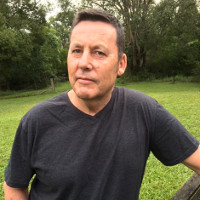 Tim Borella is an Australian author, mainly of short speculative fiction published in anthologies, online and in podcasts.
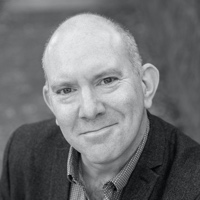 Alistair Lloyd is a Melbourne based writer and narrator who has been consuming good quality science fiction and fantasy most of his life.
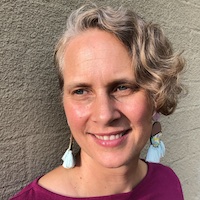 Merri Andrew writes poetry and short fiction, some of which has appeared in Cordite, Be:longing, Baby Teeth and Islet, among other places.
 James Walton was a librarian, a farm labourer, and mostly a public sector union official.
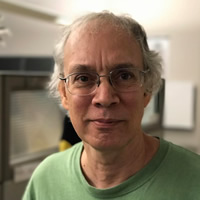 Brian Biswas lives in Chapel Hill, North Carolina, USA.
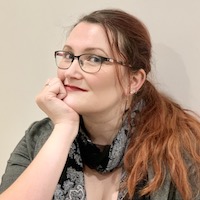 Emma Louise Gill (she/her) is a British-Australian spec fic writer and consumer of vast amounts of coffee. Brought up on a diet of English lit, she rebelled and now spends her time writing explosive space opera and other fantastical things in
 Mark is an astrophysicist and space scientist who worked on the Cassini/Huygens mission to Saturn. Following this he worked in computer consultancy, engineering, and high energy research (with a stint at the JET Fusion Torus).
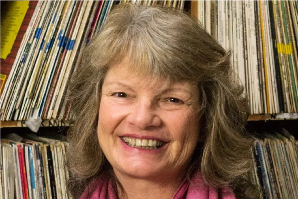 My time at Nambucca Valley Community Radio began back in 2016 after moving into the area from Sydney.