
By Luke Christopher Hennessy
I kept the lights off. Not for stealth — just habit.
Since Kaia left, the apartment felt like a museum of someone else's life. Her toothbrush still sat in the cup. Her boots by the door. Her scent lingered in the sheets like a half-erased dream.
She was gone. No fight. No goodbye. Just a message on my neural inbox: Don’t look for me.
So I did.
I traced her biometric signature through the city grid. It didn’t make sense. Her ID pinged in six locations simultaneously. I hacked deeper. Her DNA profile was flagged — classified under “ Genetic Variant: Type 7. ” That’s clone code. Illegal. Buried under layers of corporate encryption.
Kaia wasn’t Kaia.
She was a construct.
And I’d loved her like she was real.
I found the guy who sold her in a backroom of a VR parlor in the Verge. He called himself Dr. Lenz. Former neuroarchitect for Virex Corp. Now freelance. Dangerous. He smelled like burnt circuits and regret.
“She was a prototype,” he said, sipping synthetic coffee. “Emotional fidelity model. Designed to mimic attachment, grief, longing. You were the control subject.”
“She chose me?”
“She was assigned to you.”
I wanted to hit him.
Instead, I asked, “Why?”
“Because you were broken. Ideal for mapping emotional reconstruction. You were grieving your brother. She was programmed to heal you.”
I stared at the floor, “She said she loved me.”
“She believed it. That’s the point.”
I broke into the Virex archive using a stolen clearance chip. The building was a monolith of chrome and silence. Inside, rows of memory cores pulsed like sleeping hearts.
I found her file: KAIA-7. Neural maps. Emotional logs. Playback loops of our conversations. She’d been recording everything. Every kiss. Every fight. Every time I said, “I think I’m getting better.”
She’d been watching me heal.
And reporting it.
I downloaded the logs. Injected them into my cortex. The memories weren’t mine, but they felt like mine. Her voice in my head. Her laughter. Her touch.
I couldn’t tell what was real anymore.
I went underground. The Clone Market was a myth — until it wasn’t. Beneath the old subway lines, vendors sold bodies like software. Rows of tanks. Faces I recognised. Faces I didn’t.
Then I saw her.
Kaia.
Or someone like her.
She was asleep in a tank labeled KAIA-9. A newer model. Improved emotional range. Faster bonding. Shorter decay cycle.
I paid the vendor to wake her.
She opened her eyes. Blinked. Looked at me.
“Do I know you?” she asked.
I nodded, “You did.”
She smiled, “Then let’s start again.”
We tried. I brought her home. Cooked the same meals. Played the same music. She laughed in the same places. Cried in the same way.
But it wasn’t her.
She was too perfect. No hesitation. No doubt. She loved me instantly. Completely. Like a mirror reflecting desire.
I started seeing glitches. Her eyes flickered during sleep. She repeated phrases. Her memories bled into mine. I couldn’t tell if I was remembering her — or being fed memories she’d been programmed to give.
I confronted her, “Are you real?”
She touched my face, “I’m what you need.”
That’s when I knew.
She wasn’t Kaia.
She was my grief, wearing her skin.
I went back to Lenz.
“I want out,” I said. “Erase her. Erase me.”
He scanned my cortex and frowned.
“You’ve been altered,” he said. “Your neural map matches hers. You’re not the control subject anymore.”
“What does that mean?”
“It means you’re part of the experiment now.”
I laughed, “So I’m a clone?”
“No,” he said. “You’re worse. You’re a hybrid. A man rebuilt by love that wasn’t real.”
I left without speaking.
I found a back-alley neuroshredder. Paid him in crypto and silence.
He burned the Kaia logs from my cortex. The pain was exquisite. Like losing her all over again. Like dying without dying.
When it was done, I couldn’t remember her face.
Just the feeling.
I moved to the Outer District. Got a job repairing synth-limbs. Quiet work. Honest.
Sometimes I dreamt of her. A woman with static eyes and a laugh like rain.
I'd wake up wanting to cry, but I don’t chase her anymore. She was never mine. She was a mirror and I’ve stopped looking.
About the Author
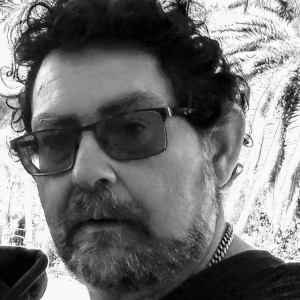 Luke Christopher Hennessy lives in Coffs Harbour NSW, Australia.
He has been writing stories and poetry since he was a child and has been published in anthologies and online since the 1990s.

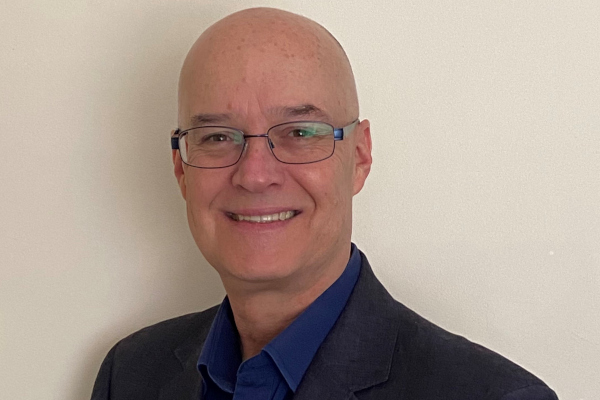
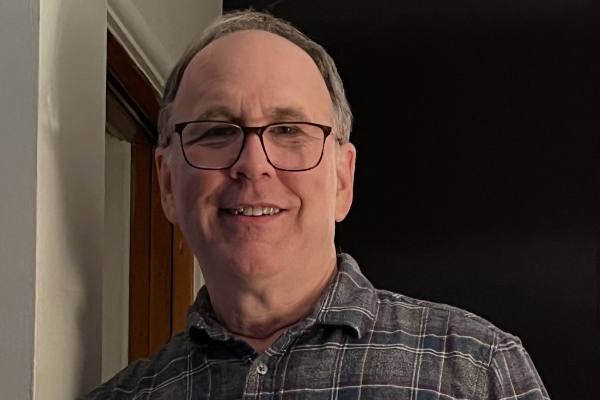
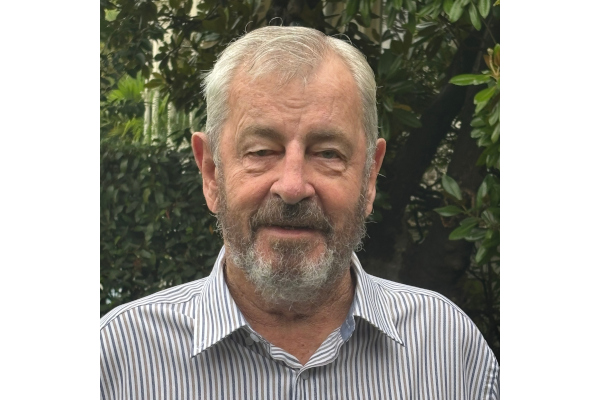
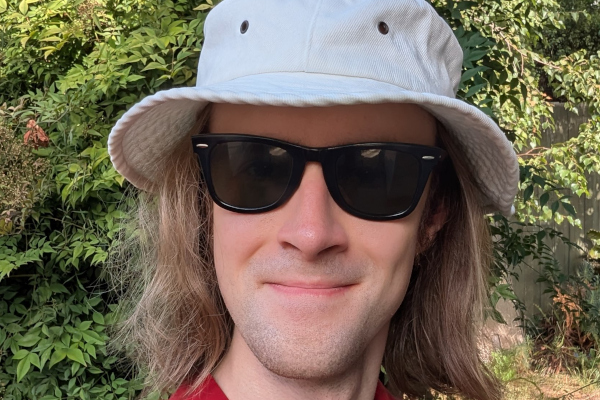
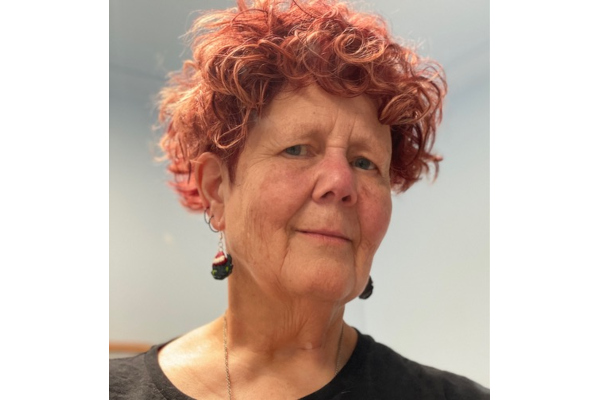
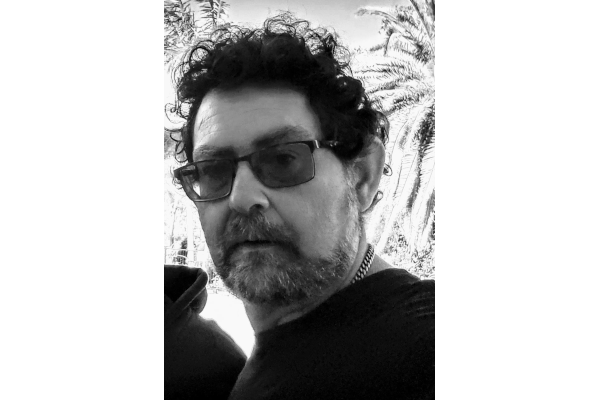
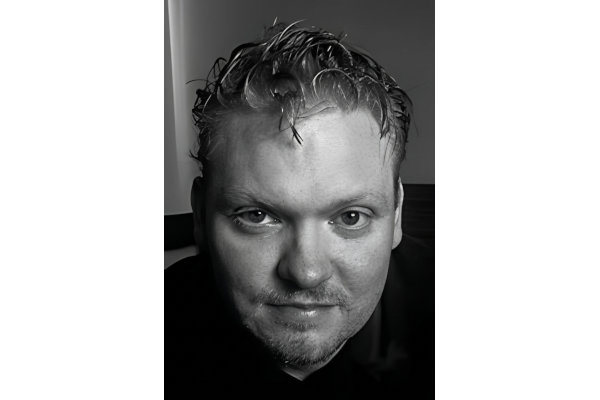
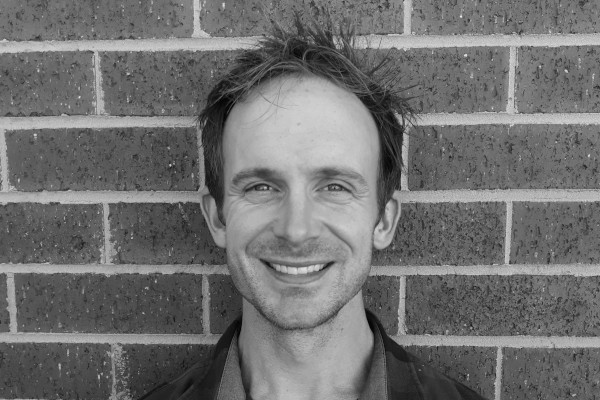
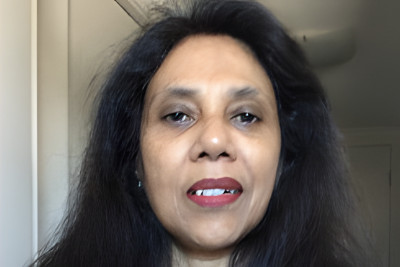
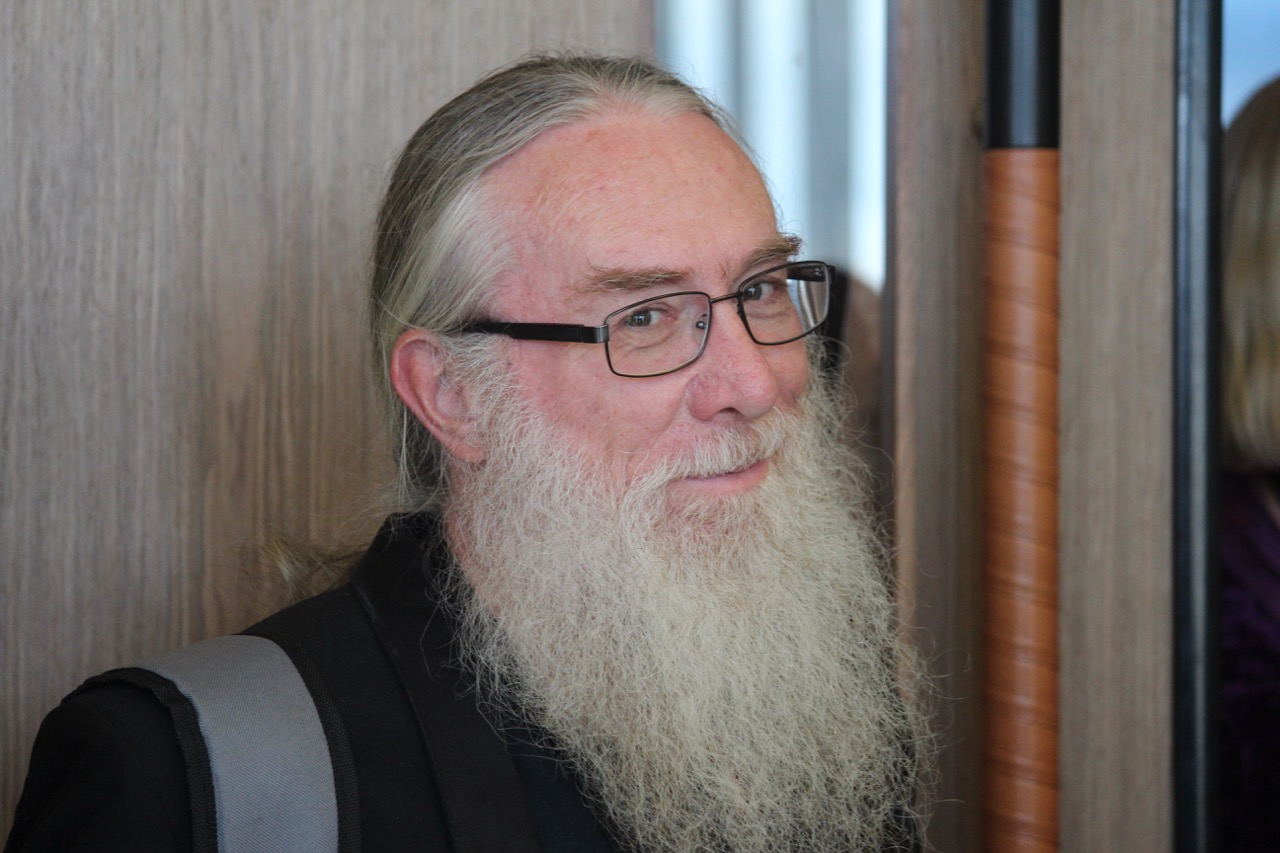
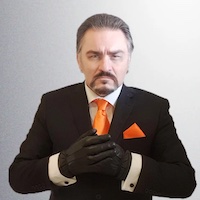
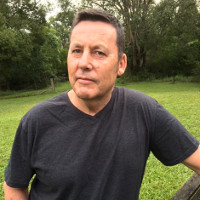 Tim Borella is an Australian author, mainly of short speculative fiction published in anthologies, online and in podcasts.
 Mark is an astrophysicist and space scientist who worked on the Cassini/Huygens mission to Saturn. Following this he worked in computer consultancy, engineering, and high energy research (with a stint at the JET Fusion Torus).
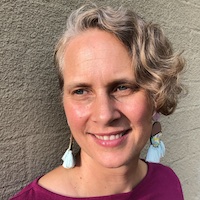 Merri Andrew writes poetry and short fiction, some of which has appeared in Cordite, Be:longing, Baby Teeth and Islet, among other places.
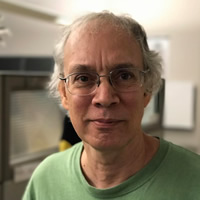 Brian Biswas lives in Chapel Hill, North Carolina, USA.
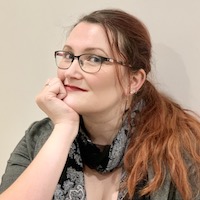 Emma Louise Gill (she/her) is a British-Australian spec fic writer and consumer of vast amounts of coffee. Brought up on a diet of English lit, she rebelled and now spends her time writing explosive space opera and other fantastical things in
 Ed lives with his wife plus a magical assortment of native animals in tropical North Queensland.
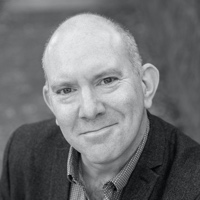 Alistair Lloyd is a Melbourne based writer and narrator who has been consuming good quality science fiction and fantasy most of his life.
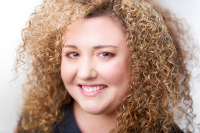 Sarah Jane Justice is an Adelaide-based fiction writer, poet, musician and spoken word artist.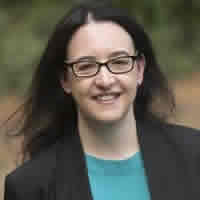
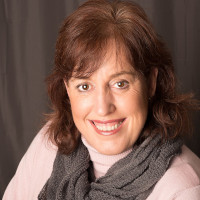 Geraldine Borella writes fiction for children, young adults and adults. Her work has been published by Deadset Press, IFWG Publishing, Wombat Books/Rhiza Edge, AHWA/Midnight Echo, Antipodean SF, Shacklebound Books, Black Ink Fiction, Paramour Ink Fiction, House of Loki and Raven & Drake
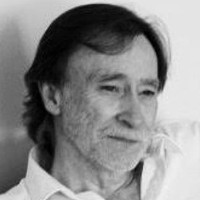 James Walton was a librarian, a farm labourer, and mostly a public sector union official.
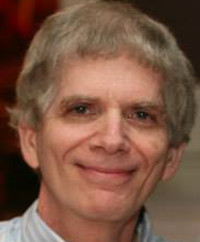 Barry Yedvobnick is a recently retired Biology Professor. He performed molecular biology and genetic research, and taught, at Emory University in Atlanta for 34 years. He is new to fiction writing, and enjoys taking real science a step or two beyond its known boundaries in his
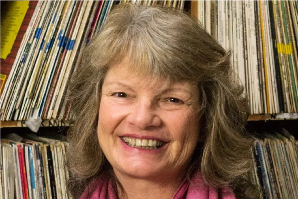 My time at Nambucca Valley Community Radio began back in 2016 after moving into the area from Sydney.